
Ever found yourself in a meeting, needing just a second to formulate a thoughtful response, but feeling the pressure to answer immediately? That momentary panic is universal, but how native English speakers, particularly Americans, navigate this social minefield is a skill worth learning. The truth is, Americans rarely jump to an immediate answer, especially when faced with a complex or important question. Instead, they employ clever linguistic strategies to "buy time" – not to avoid answering, but to ensure their response is clear, confident, and well-considered. This isn't just about politeness; it's about strategic communication that gives you control.
Mastering the Art of the Pause: How Americans Buy Time in Meetings
In professional settings, particularly meetings, the ability to pause and gather your thoughts without appearing unprepared is a highly valued skill. "Buying time" means using specific phrases or techniques to create a brief window for reflection before delivering your answer. It's a strategic pause that allows you to process information, organize your thoughts, or even anticipate follow-up questions, all while maintaining an air of thoughtfulness and professionalism. This technique combats the awkwardness of silence and empowers you to steer the conversation.
Here are some go-to phrases Americans use to achieve this:

"Let me think out loud for a second." This phrase invites others into your thought process, making your pause seem collaborative rather than hesitant. It's a way of saying, "I'm working through this, and I want you to see my reasoning."
-
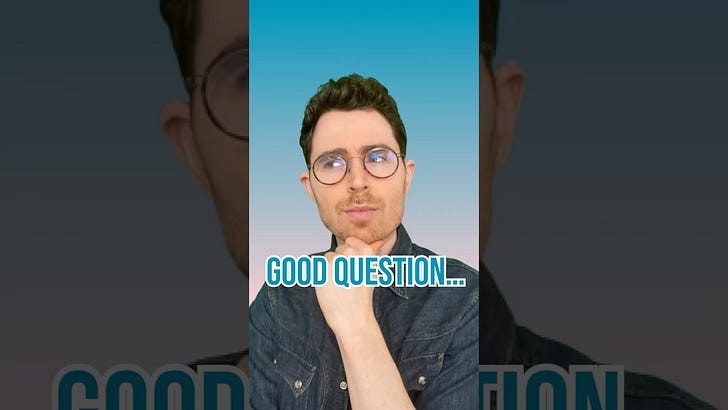
"That’s a good question." This simple phrase does wonders. It acknowledges the question's validity, subtly praises the questioner, and most importantly, provides a natural beat for you to collect your thoughts. It suggests the question is worthy of a considered answer.
-
"Let me unpack that." This phrase implies depth and complexity. It suggests that the question has multiple layers that need to be addressed systematically, giving you time to structure your response. It signals that you're about to provide a detailed, well-organized answer.
These phrases are more than just filler; they are tools that give you confidence and demonstrate thoughtfulness, making you sound more articulate and in control.
Common Mistakes When Buying Time
While these techniques are incredibly useful, misusing them can have the opposite effect:
-
Overusing Them: If every other answer begins with "That's a good question," you might start to sound evasive or genuinely unprepared rather than thoughtful. Use them judiciously for genuinely complex or unexpected questions.
-
Using Them Without a Follow-Through: The point of buying time is to deliver a better answer. If you use these phrases and then still provide a weak or hesitant response, it undermines the initial impression of thoughtfulness.
-
Inappropriate Context: While useful in professional settings, these phrases might feel overly formal or even condescending in casual conversations with friends or family where a more direct answer is expected.
-
Sounding Disingenuous: Your tone and body language matter. If you say "That's a good question" with a sarcastic tone or a blank stare, it won't buy you credibility. Practice delivering them naturally.
Conclusion
Mastering the art of buying time in meetings is a significant step in sounding more natural and confident in American English. These phrases – "Let me think out loud for a second," "That’s a good question," and "Let me unpack that" – are not just linguistic tricks; they are powerful tools for managing conversations, demonstrating critical thinking, and ensuring you articulate your ideas effectively. They transform potentially awkward silence into a strategic pause, giving you the control to deliver impactful responses.
Start incorporating these into your English practice. Notice how native speakers use them and experiment with them in your own conversations. You'll soon find yourself navigating meetings with greater ease and confidence.
What are your go-to phrases for buying time, or what challenges do you face in quick-response situations? Share your thoughts in the comments below, and don't forget to subscribe for more insights into mastering the nuances of English communication!
Want to see these phrases in action? Check out Snackk.me (it’s free!) to get visualized word flashcards.